
MMA Welcomes Christina Norman as Featured Guest for July Science Speaker Series
NANTUCKET, MA—The Nantucket Maria Mitchell Association (MMA) announces that it will host Christina Norman, the Maria Mitchell Association Aquarium Manager, as a featured presenter for its Science Speaker Series. Her presentation “Living Legacy: The Atlantic Horseshoe Crab” will take place on Wednesday, July 3 at 7pm EST. It will be presented in person at the MMA’s 33 Washington Street property and via Zoom. This event is free to all.
If you've walked the beaches during high tide recently, you likely have seen horseshoe crabs crawling along the water line. Even during low tides, you may have seen their tracks in the sand from where they've traveled around to mate. Horseshoe crabs are a common sight in the summer, but there's a lot more to these prehistoric critters than meets the eye. Relatively unchanged on Earth for nearly 450 million years, horseshoe crabs are unique even among the usual oddities we see in the ocean.
With ten eyes, blue blood, six pairs of appendages, green eggs, and more, the Atlantic horseshoe crab is an enigma that could have a semester-long course dedicated to it, but at this talk, we'll do our best to condense the creatures into an hour-long discussion about biology, behavior, and human relations. All who want to learn more about these fantastic creatures are welcome to join!
As an Aquarium Intern in 2022, Christina was able to learn about the wonders of Nantucket. The first time she saw horseshoe crabs spawning at Monomoy Beach, she knew she'd made the perfect choice of internships. After finishing her internship, Christina completed a six-month AmeriCorps term in Holderness, New Hampshire, working with the Lakes Region Conservation Corps and Squam Lakes Association to monitor water quality, manage trails, remove invasive aquatic plants, and inspect boats for hitchhiking invasives. After her AmeriCorps term, Christina rejoined the Maria Mitchell Association in 2024 as the Interim Natural Science Museum Manager. Now, as the Aquarium Manager, Christina enjoys talking to the public about the marine wonders of Nantucket. She tries not to be biased, but it's clear that horseshoe crabs hold a special place in her heart.
Pre-registration is required. To register for this event, please follow the link below:
https://us06web.zoom.us/webinar/register/WN_ahz9DV46R-6L4ewkTwR5Gw#/registration
This series is generously sponsored by our lead sponsor, Bank of America.
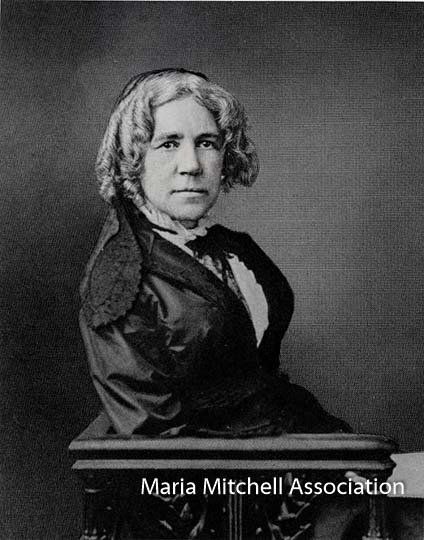
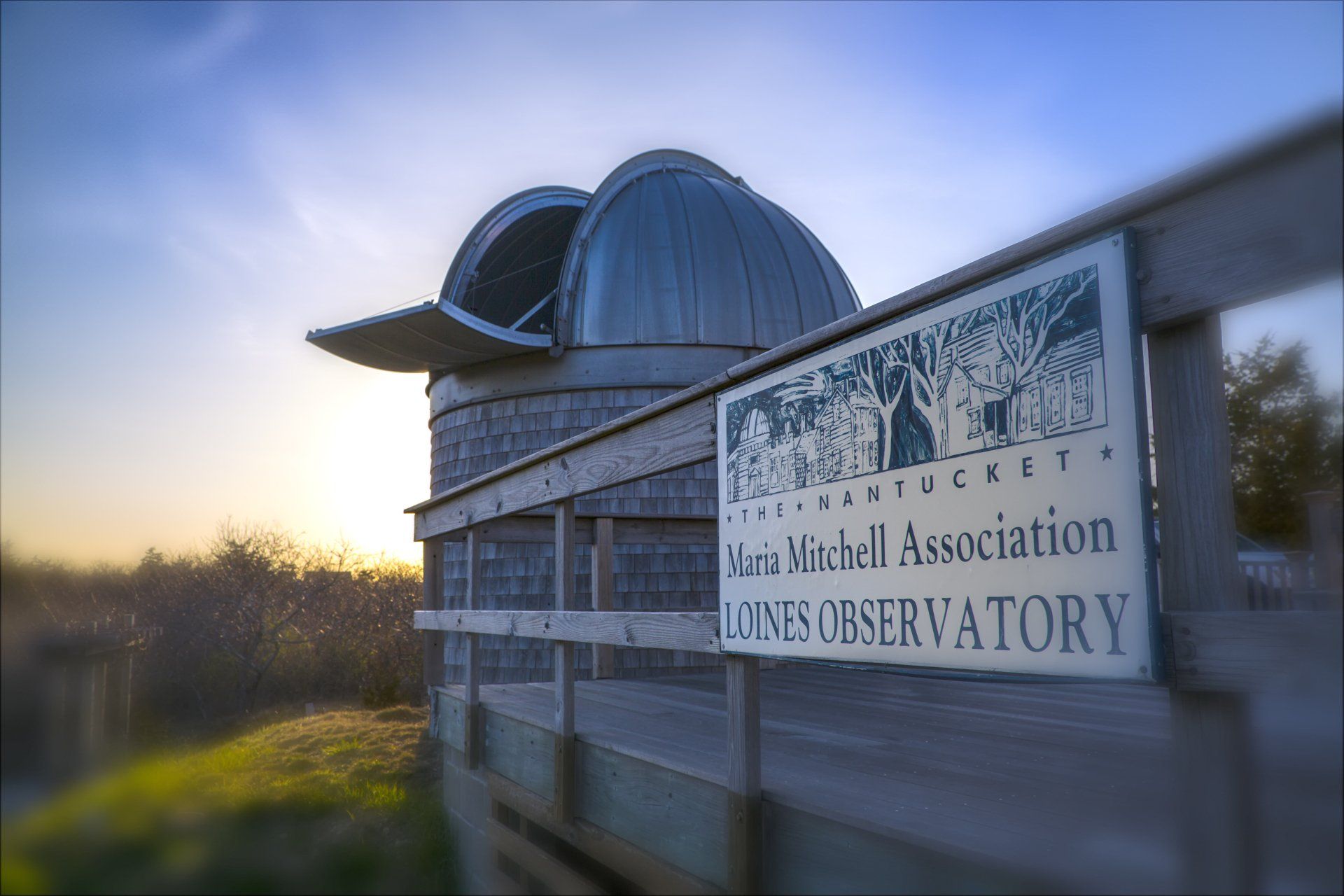
The Maria Mitchell Association was founded in 1902 to preserve the legacy of Nantucket native astronomer, naturalist, librarian, and educator, Maria Mitchell. After she discovered a comet in 1847, Mitchell’s international fame led to many achievements and awards, including an appointment as the first female professor of astronomy at Vassar College. Maria Mitchell believed in “learning by doing” and today that philosophy is reflected in the MMA’s mission statement, programs, research projects, and other activities. The Maria Mitchell Association operates two observatories, a natural science museum, an aquarium, a research center, and preserves the historic birthplace of Maria Mitchell. A wide variety of science and history-related programming is offered throughout the year for people of all ages.
###
For Immediate Release
July 01, 2024
Contact: Allison Lowe
marketinginterns@mariamitchell.org
Recent Posts