
Nantucket Maria Mitchell Association Honors Outgoing Director of Education, Kim Botelho, and Welcomes New Education Coordinator, Camden Palm
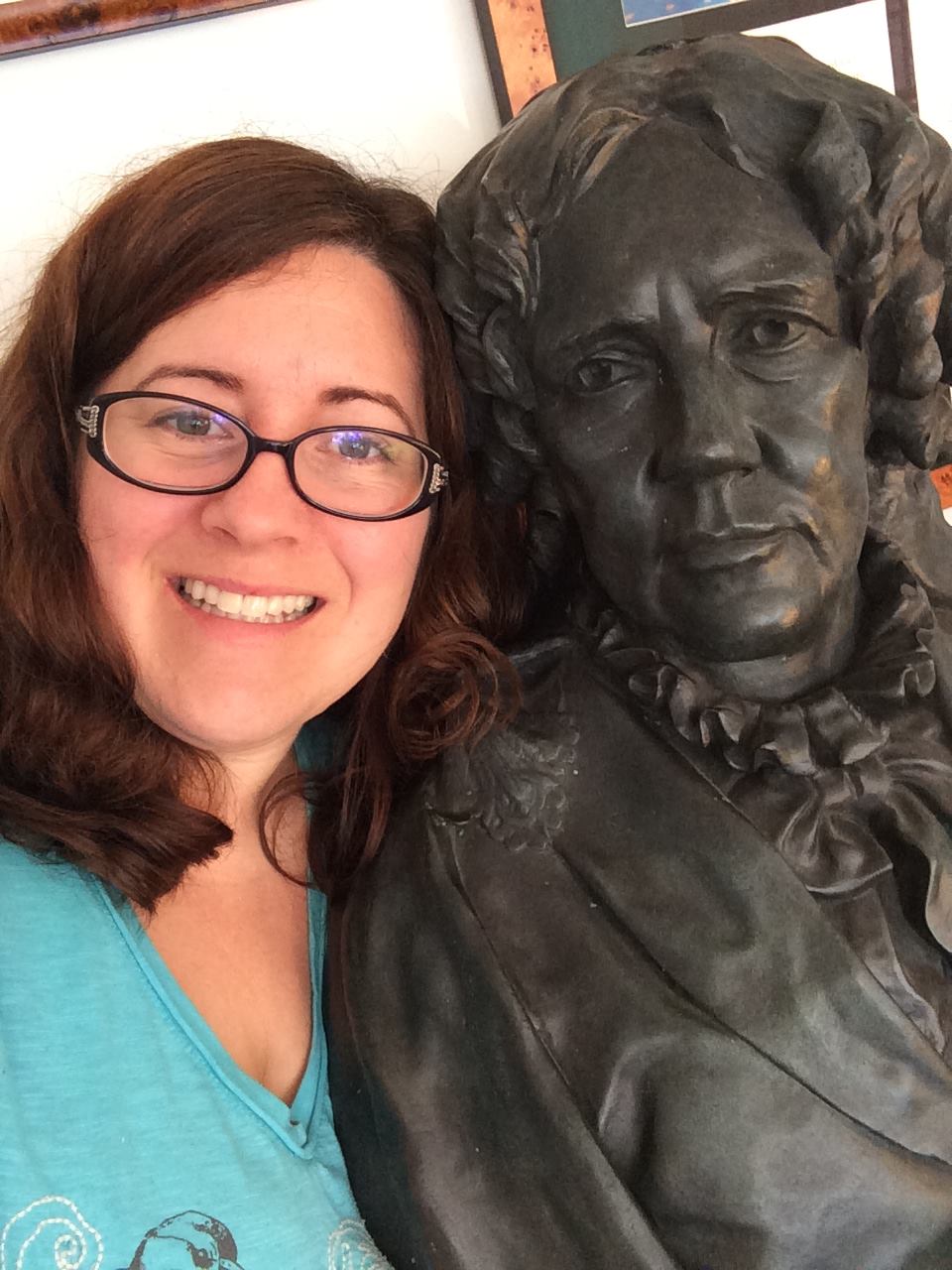
With profound gratitude and appreciation, the Maria Mitchell Association announces the departure of Kim Botelho, Director of Education.
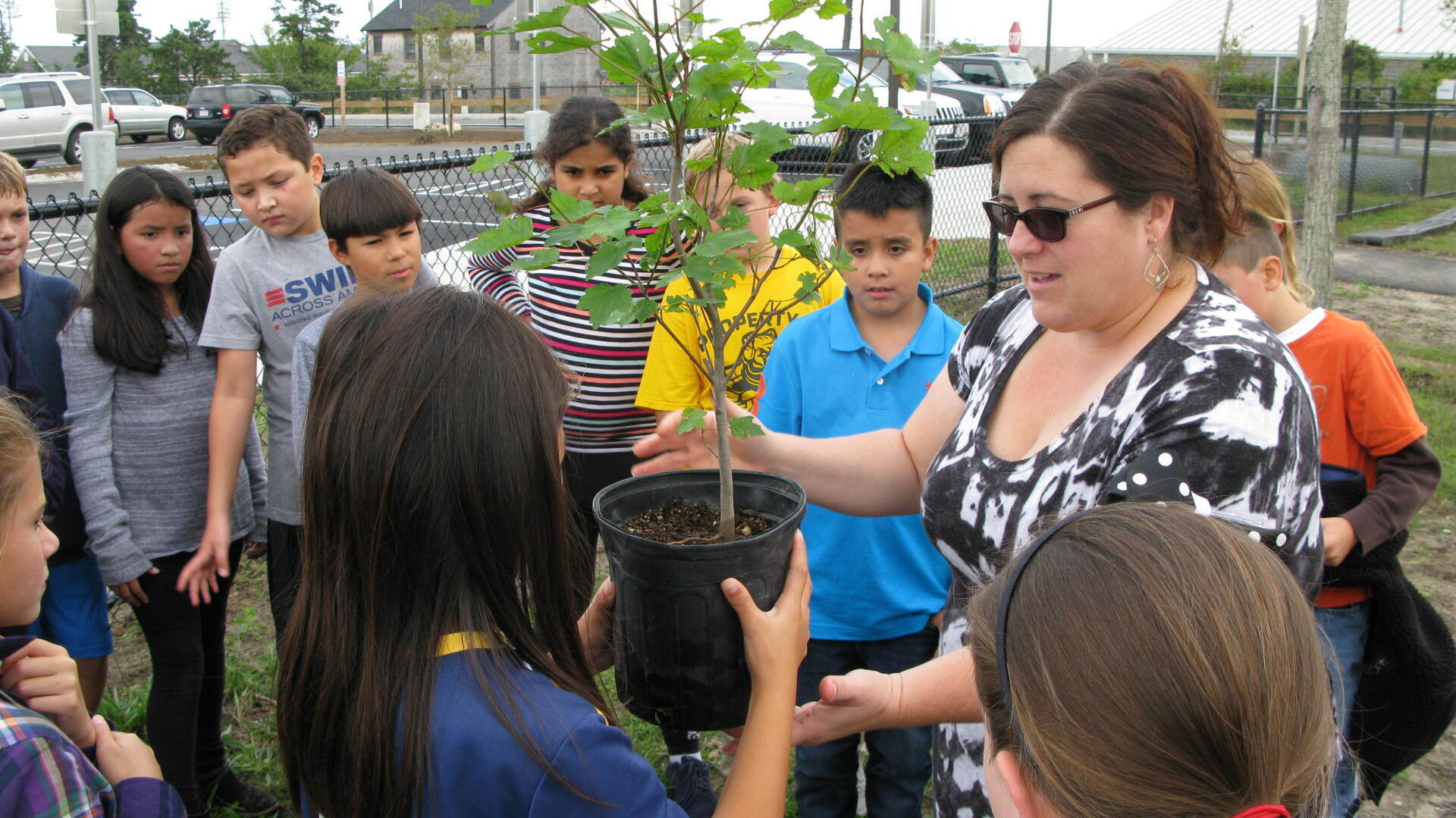
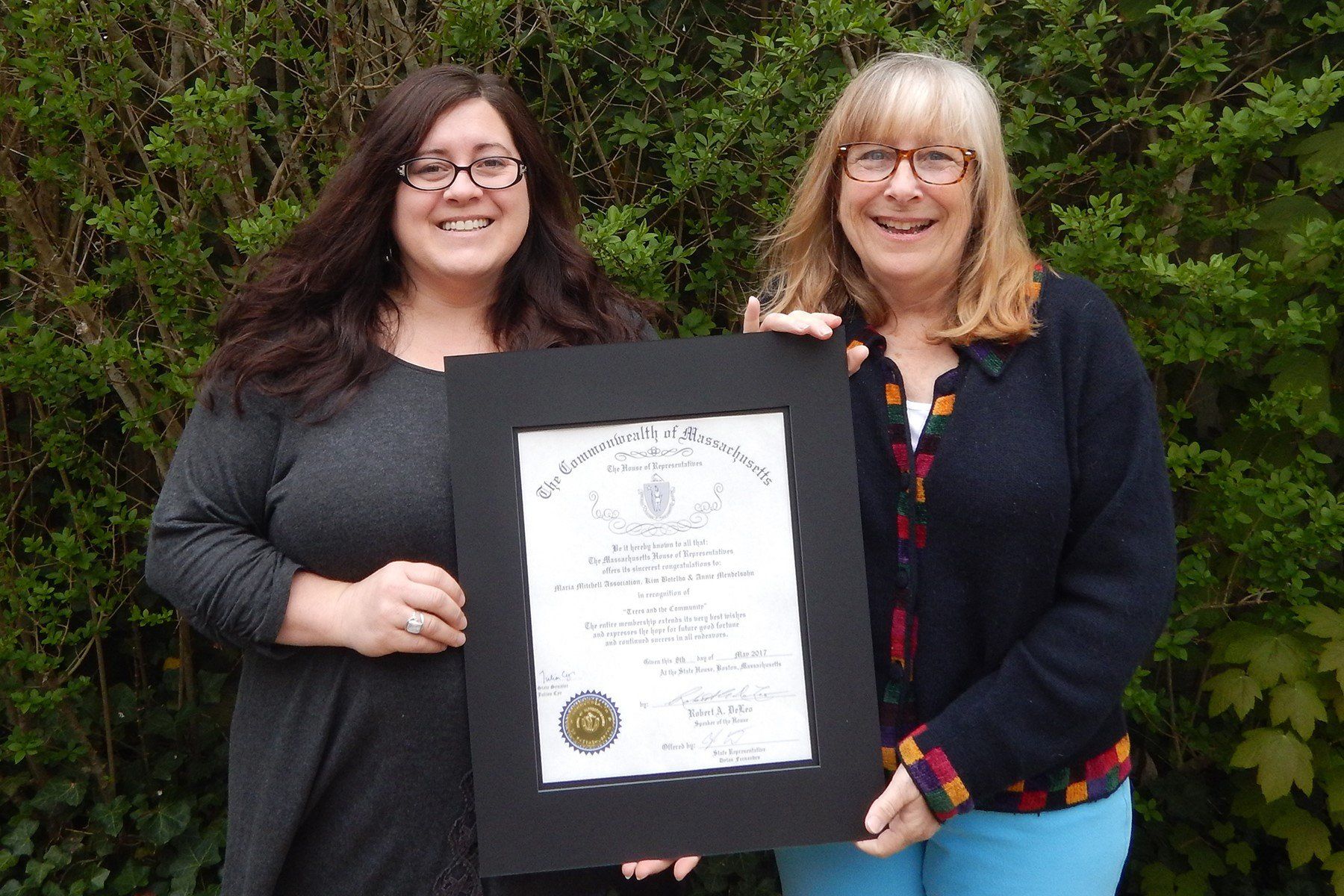
The MMA has been extremely fortunate to have Botelho’s leadership, passion for education, and dedication to scientific learning. During her seven year tenure, and under her leadership as Director of Education, the Nantucket Science Festival has grown to be the largest off season event on the island with many incredible partner organizations; the Maria Mitchell Giving Garden has helped provide fresh produce to the Nantucket Food Pantry; the Summer Discovery programs have received a number of awards and now reach over 600 children each summer; and the MMA’s 5th Grade Trees in the Community Program has given out over 1,200 native trees with the help of our community partner, Annie Mendelsohn. Since the fall, Botelho has been teaching monthly STEM lessons with Nantucket Elementary School’s Kindergarten classrooms. Over the years, Botelho has also led and served as a mentor to nearly 100 interns through our environmental education internship program. When reflecting on this experience, she shares that, “Having the opportunity to pass on my knowledge, experience, and passion for the natural world to the next generation of environmental educators and science teachers fills my soul with joy and gratitude.”
Beyond our island, Botelho has served on the boards of the Massachusetts Environmental Education Society, the New England Environmental Education Alliance, as the partner representative for the National Informal STEM Education Network, and as a state affiliate representative for the North American Association of Environmental Education. In these roles, she was able to provide teacher professional development opportunities for hundreds of teachers across the Commonwealth and across the country.
The MMA is grateful to Botelho and her dedication to sharing our mission. Botelho shares, “It has been one of the great honors of my life to represent Maria Mitchell, a truly, amazing woman whose convictions for science, learning by doing, and equal rights and opportunities for all resonate within myself. The educational initiatives and community partnerships I have been a part of over the years have been some of the most rewarding of my career. I hope Maria Mitchell would be proud of the work I have endeavored to do in her name. Before I leave, I want to send out a huge THANK YOU to all of the camp families, community partners, students, teachers, and coworkers who have helped make my time here so meaningful. I hope our paths continue to cross in the future.”
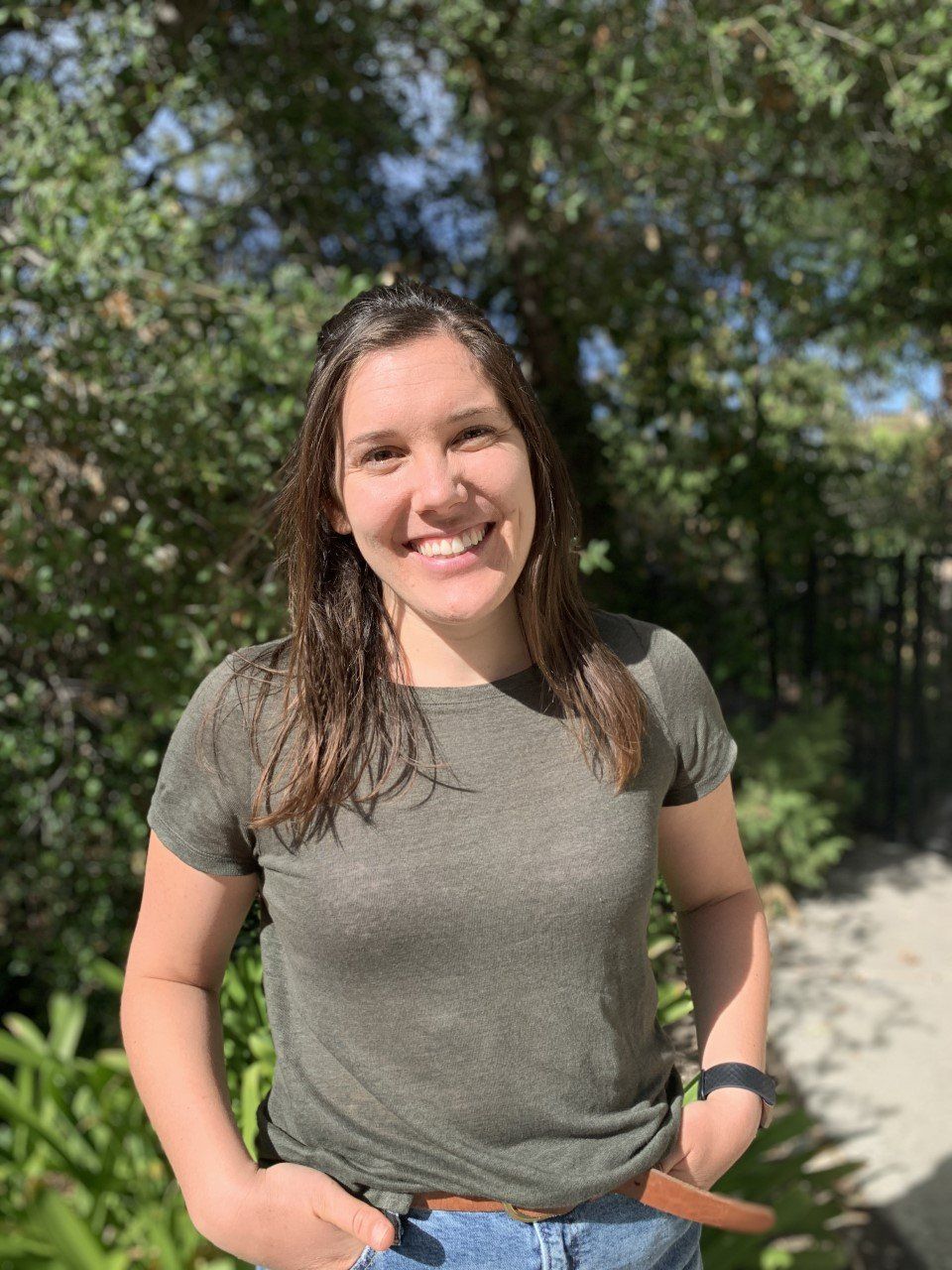
Next month, the MMA will officially welcome Camden Palm as its new Education Coordinator. Palm was born and raised in Southern California, and found a love for environmental education on an 8th grade field trip to Yosemite National Park. After spending many summers in New Hampshire and Connecticut, she is excited to be back working and exploring the New England ecosystems.
Her passion for environmental education was cultivated while attending the University of California, Santa Barbara (UCSB) where she studied Environmental Studies and Statistics. During her time at UCSB, she volunteered with an environmental education organization teaching local students environmental stewardship and sustainability curriculum. After graduating, she worked as an Instructor and Assistant Director for the Catalina Environmental Leadership Program on Catalina Island, located off the coast of Los Angeles. Similar to the programs at the Maria Mitchell Association, this program promotes a passion for science and sustainability through land and sea exploration. Taking her experience from one island ecosystem to the next, she is excited to continue connecting students, participants, and campers to the natural world.
Palm will be leading the MMA’s summer programming, including the popular Discovery Camps, overseeing the 2021 Education Internship Program, mentoring this year’s Education Interns, and continuing the MMA’s school year STEM programming in partnership with Nantucket schools.
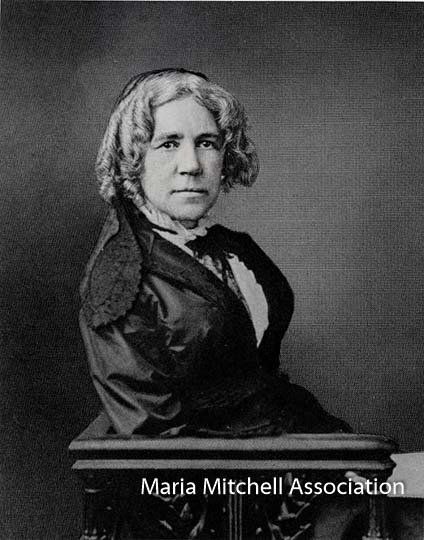
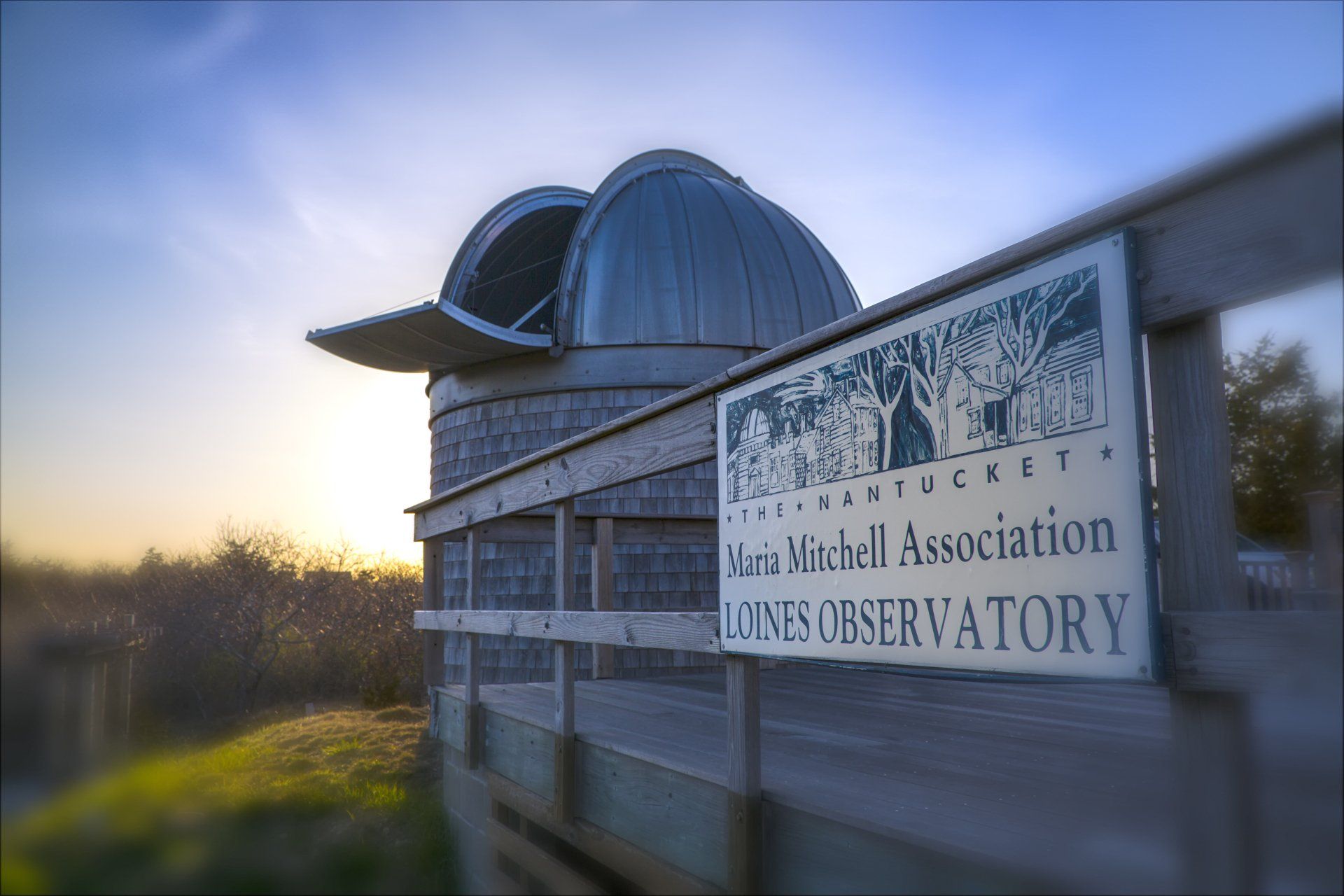
The Maria Mitchell Association is a private non-profit organization. Founded in 1902, the MMA works to preserve the legacy of Nantucket native astronomer, naturalist, librarian, and educator, Maria Mitchell. The Maria Mitchell Association operates two observatories, a natural science museum, an aquarium, a research center, and preserves the historic birthplace of Maria Mitchell. A wide variety of science and history-related programming is offered throughout the year for people of all ages.
For Immediate Release
April 19 2021
Contact: Kelly Bernatzky, MMA Development Associate
Recent Posts