
Nantucket Maria Mitchell Association Welcomes Dr. Amy Hinson as Featured Guest for Science Speaker Series
NANTUCKET, MA—The Nantucket Maria Mitchell Association (MMA) announces that it will host Dr. Amy Hinson as a featured presenter for its Science Speaker Series this month. Her presentation, “Where is the Science in Forensic Science?,” will take place March 29 at 7pm on Zoom. This event is free to all.
In her presentation, Dr. Hinson will discuss the intersection of the understanding of scientific processes, facts, and how they help to solve crimes, as there is often much debate on where to find the actual science in forensic sciences. “For the most part, it seems as if most of what is done is literal matching of patterns; fingerprints, DNA, ballistics, soil, glass, hair, fibers, pollen…you get the idea,” Dr. Hinson said of the topic.
She will also share how she transformed a 12-student, semester-long class into a year-long course that was consistently over-enrolled after teaching this course at Nantucket High School for eight years.
Dr. Amy Hinson is a distinguished educator of the sciences at Nantucket High School, where she has fostered a passion and love for science through her course offerings, most notably so in the Forensic Science course. Dr. Hinson is a post-doctoral fellow of the Yale University postdoctoral program, where she focused on biochemistry and molecular biophysics with an emphatic research application in neuroscience.
Hinson has been a Nantucket resident since 2001 and continues to teach the island’s young and aspiring scientists in hopes that they, too, will find a path in science. She is the daughter of an educator and a former NASA engineer—her scientific and critical thinking skills are indeed molecular!
This series is generously presented by our lead sponsor, Bank of America. For additional details on this event, please visit https://www.mariamitchell.org/science-speaker-series.
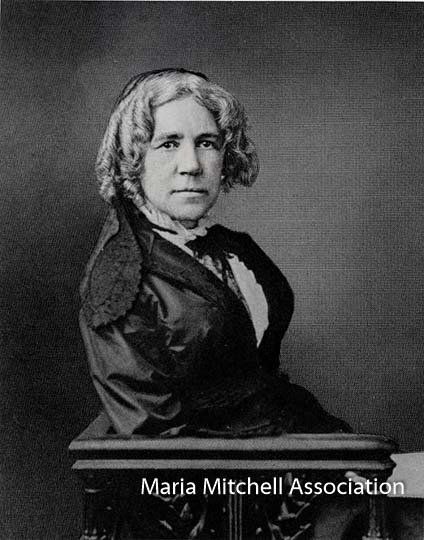
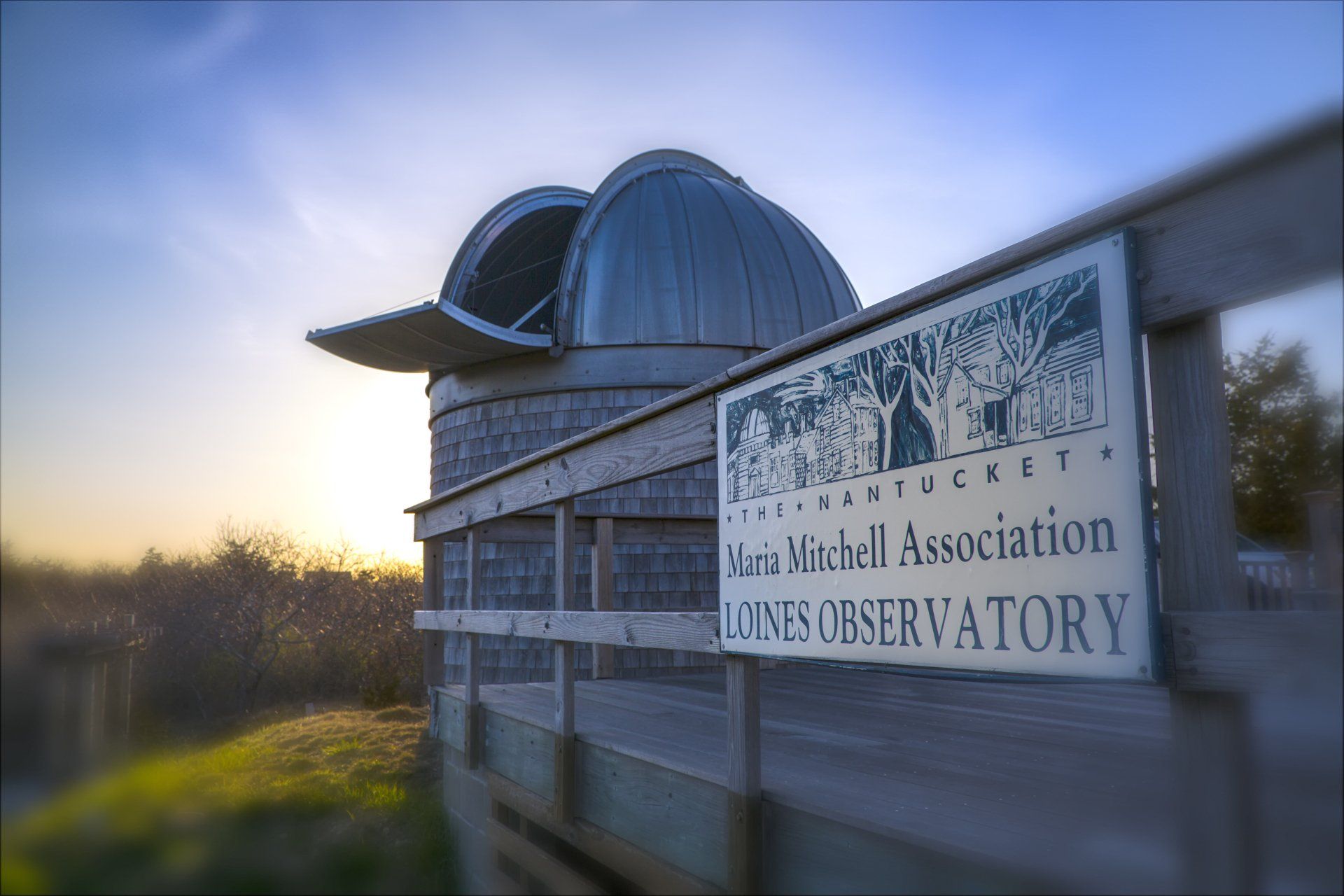
The Maria Mitchell Association was founded in 1902 to preserve the legacy of Nantucket native astronomer, naturalist, librarian, and educator, Maria Mitchell. After she discovered a comet in 1847, Mitchell’s international fame led to many achievements and awards, including an appointment as the first professor of astronomy at Vassar College. Maria Mitchell believed in “learning by doing” and today that philosophy is reflected in the MMA’s mission statement, programs, research projects, and other activities. The Maria Mitchell Association operates two observatories, a natural science museum, an aquarium, a research center, and preserves the historic birthplace of Maria Mitchell. A wide variety of science and history-related programming is offered throughout the year for people of all ages.
###
For Immediate Release
March 20, 2023
Contact: Erin Holdgate, Marketing Director
Recent Posts