July 28, 2026
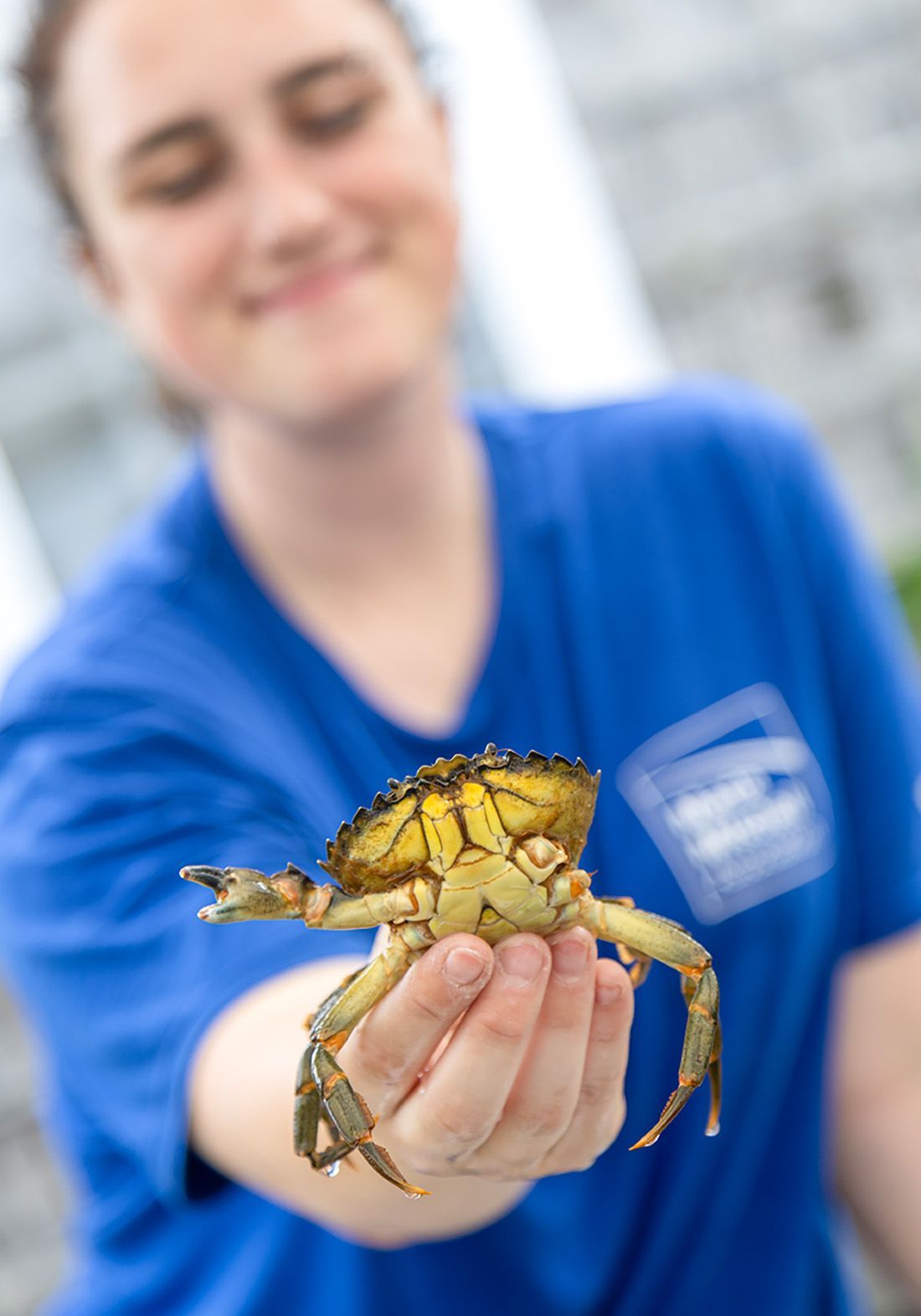
NANTUCKET, MA— Join the Nantucket Maria Mitchell Association (MMA), Nantucket Land and Water Council (NLC), and Sustainable Nantucket (SN) for the Seventh Annual Nantucket Green Crab Week! The MMA, NLC, and SN will be offering fun daily events from Monday, August 3 to Saturday, August 8 to learn about, and take action against, invasive European green crabs on Nantucket. European green crabs were first introduced to North America in the 1800s, likely traveling in the ballast water of merchant ships from Europe. This invasive species is now abundant on Nantucket, threatening crucial aquatic resources, including eelgrass beds, shellfish populations, and native crab communities. Together, as a community, it is possible to help prevent green crabs from destroying the natural resources that make Nantucket’s waters so special! Please come join us during Nantucket Green Crab Week to learn more. MMA Green Crab Identification Workshop and Derby Information Session Registration Link: Maria Mitchell Association Monday, August 3, 3:45 PM – 4:30 PM Price: FREE Location: MMA Aquarium, 32 Washington Street Join MMA Aquarium staff to learn how to identify the European green crab (Carcinus maenus), an invasive species that threatens Nantucket's native species and habitats! We will compare these species to local crab species and determine their biological sex. This is a great chance to learn about our annual Nantucket Green Crab Derby and all its events! MMA Nantucket Green Crab Survey: Seine Method Registration Link: Maria Mitchell Association Tuesday, August 4, 3:15 PM – 4:15 PM Price: FREE Location: Hither Creek Beach Access (Beach Access #52) Join MMA Aquarium staff on a survey for invasive European green crabs! This survey will be a part of the MMA Nantucket Green Crab Community Science Survey that you can do yourself at any time. In this session, we will be using a seine net. Annual Green Crab Fertilizer and Bait Pickup Registration Link: Maria Mitchell Association Thursday, August 6, 10:00 AM – 12:00 PM Price: FREE Location: Sustainable Nantucket's Community Farm, 168 Hummock Pond Rd In collaboration with the Sustainable Nantucket, please join us for this free, fun, and exciting way to help control the population of the invasive green crab, all while creating an environmentally friendly fertilizer for your garden. For folks to make their own green crab fertilizer, they should bring completely waterproof boots they're comfortable crushing dead crabs with, as well as a sealable bottle or jar to take home their fertilizer. We will provide crabs, coolers, vinegar, and take-home fertilizer instructions. Nantucket Green Crab Survey: Wading and Hand Net Registration Link: Maria Mitchell Association Friday, August 7, 5:00 PM – 6:00 PM Price: FREE Location: The Creeks/Harbor Flats, 99 Washington Street Ext Join MMA Aquarium staff on a survey for invasive European green crabs! This survey will be a part of the MMA Nantucket Green Crab Community Science Survey that you can do yourself at any time! In this session, we will be wading and using hand nets. Annual Green Crab Derby Registration Link: Maria Mitchell Association Saturday, August 8, 12:00 AM – 4:00 PM Price: $10, Groups of Up To 4 Persons Can Compete Help the Maria Mitchell Association and the Nantucket Land Council fight the green crab invasion by participating in the annual Nantucket Green Crab Derby! Participate in a team of up to 4 to help us maintain healthy marine habitats and for a chance to win prizes! Rules and prize details are detailed in the reservation process. Green crabs can be caught between 12am – 4pm and dropped off at the Maria Mitchell Association Aquarium between 12pm – 4pm! Sustainable Nantucket is a nonprofit organization dedicated to strengthening Nantucket’s local food system and building a more sustainable island community. Through education, advocacy, and community programs, the organization supports local farmers and producers, increases access to locally grown food, and connects the community with Nantucket’s agricultural resources. The Nantucket Land & Water Council is a nonprofit organization dedicated to protecting Nantucket’s land, water, and natural resources. Through conservation, research, education, and advocacy, the organization works to preserve open spaces, protect water quality, and ensure the long-term environmental health of Nantucket for future generations. The Maria Mitchell Association was founded in 1902 to preserve the legacy of Nantucket native astronomer, naturalist, librarian, and educator, Maria Mitchell. After she discovered a comet in 1847, Mitchell’s international fame led to many achievements and awards, including an appointment as the first professor of astronomy at Vassar College. Maria Mitchell believed in “learning by doing” and today that philosophy is reflected in the MMA’s mission statement, programs, research projects, and other activities. The Maria Mitchell Association operates two observatories, a natural science museum, an aquarium, a research center, and preserves the historic birthplace of Maria Mitchell. A wide variety of science and history-related programming is offered throughout the year for people of all ages. ####